
"Congolese coffee decline"
146000 article(s) found
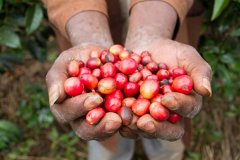
Three native species of coffee: Arabica, Robusta and Liberia
Coffee belongs to the evergreen shrub of the genus Rubiaceae, which is centered in the tropics. There are about 6000 species of Rubiaceae belonging to 500 genera. Coffee has always been considered to have certain effects, such as invigorating the stomach, waking up the brain, stopping bleeding, dissipating heat, strengthening the body and so on. There are about 40 species of coffee plants, but the only ones that can produce coffee beans of commercial value are Arabica, Robusta and Libby.

Fine Coffee Science explains in detail the three native species of coffee
Coffee, we generally refer to the finished product: the coffee we drink, also refers to coffee beans. Coffee belongs to the evergreen shrub of the genus Coffee of Rubiaceae. Coffee has some medicinal effects, such as waking up the brain, strengthening the stomach, stopping bleeding, dissipating heat, strengthening the body, etc., hee hee, if anyone is blinded by love, have a cup of coffee to wake up! There are about 40 species of coffee plants, but they can produce commercially valuable

Pointed bourbon-the most precious bourbon in history. Is pointed bourbon better than Rosa Coffee?
Professional coffee knowledge exchange more coffee bean information please follow the coffee workshop (Wechat official account cafe_style) Guatemala coffee pioneer-Incht estate Kaduai and Bourbon varieties introduction earlier this month to take part in a coffee cup test, the object is from the sharp bourbon on the island of Reunion. The pointy bourbon of the island of Reunion, this ordinary language, may not be attractive to ordinary people.

Introduction to the characteristics of the three native species of coffee is the superiority of Arabica coffee beans so high?
Professional coffee knowledge exchange more coffee bean information please follow the coffee workshop (Wechat official account cafe_style) front street-three major coffee varieties there are about 40 species of coffee, but can produce commercial value coffee beans only Arabica species, Robusta species, Liberia species, these three are called the three major native species of coffee. The origin of Arabica species is Ethiopia.
What are the characteristics of Arabica coffee beans? what's the secret between Manning coffee and Arabica?
Professional coffee knowledge exchange more coffee bean information please pay attention to the coffee workshop (Wechat official account cafe_style) front street-Mantenin coffee beans Arabica coffee beans, is the most common variety of hand-ground coffee, slender flat particles, native to East Africa, belongs to the traditional Arabica coffee variety, Europeans also call it Arabica coffee. On a global scale, ah
Introduction to the types of coffee beans apart from Arabica, what coffee beans can compete with one?
Professional coffee knowledge exchange more coffee bean information please follow the coffee workshop (Wechat official account cafe_style) front street-coffee bean varieties introduction Arabica species (Coffee Arabica) Arabica species, namely small seeds. The country of origin is the Abyssinia Plateau of Ethiopia (that is, Ethiopia). It was mainly used for medicinal purposes in the early days, and was cultivated in the 13th century.

Description of the characteristics and Flavor of Robska Coffee Bean introduction to the producing areas of taste varieties
Description of the characteristics and flavor of Robska coffee beans in Ethiopia, the grading and quality control system of coffee is divided into three levels: producer, regional and national. All coffee is inspected by local inspection agencies before leaving the country of origin, and then re-tested at the coffee inspection and grading centers in Addis and Diredawa to determine its quality grade. The coffee is

The difference between the three native species of coffee and the introduction of Arabica and Robusta
Coffee belongs to the evergreen shrub of the genus Rubiaceae, which is centered in the tropics. There are about 6000 species of Rubiaceae belonging to 500 genera. Coffee has always been considered to have certain effects, such as invigorating the stomach, waking up the brain, stopping bleeding, dissipating heat, strengthening the body and so on. There are about 40 species of coffee plants, but the only ones that can produce coffee beans of commercial value are Arabica, Robusta and Libby.
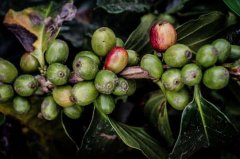
Introduction of Fairtrade Fine Coffee Bean Flavor growth characteristics in five Coffee producing areas of Rwanda
Overall, coffee from Rwanda is more rated than coffee from neighboring Zimbabwe and Zambia, but it has not yet been recognized by coffee from Kenya and Tanzania. Rwanda also produces Fairtrade coffee beans. There are several high-altitude Rwanda from Rwanda on the front street, which is suitable for growing boutique coffee. The main coffee-growing areas have volcanic soil rich in nitrogen. Major coffee growing areas
Characteristics and uses of Robusta coffee beans how to mix Indonesian coffee beans and Vietnamese coffee beans
Professional coffee knowledge exchange more coffee bean consultation Please pay attention to the coffee workshop (Wechat official account cafe_style) boutique coffee beans, hear the most is Arabica coffee beans, then when it comes to Robusta coffee beans, is not in the boutique coffee scope, and Robusta may only know that the flavor is not very good, used in the commercial bean this impression, then today the front street coffee

Introduction to the Flavor description treatment method of Robastian Coffee Bean Variety characteristics
Boutique coffee beans are originated in the Congo, which accounts for 20% 30% of the world's output. It is suitable for lowlands below 500 meters. It has strong adaptability to the outside world, can resist bad climate, resist diseases and insect pests, and can be allowed to grow in the wild. It is a kind of coffee tree that is easy to cultivate. It is generally used to make instant coffee Robasta coffee tree originating in the Congo of Africa.

Coffee flavor tasting: where does the "bitter" and "sour" in coffee come from?
Bitterness: caffeine is the best known bitter ingredient in coffee, but caffeine actually accounts for up to 10% of the bitter taste. This can be understood from the fact that the concentration of caffeine in roasted beans is not affected by the degree of roasting, and that non-caffeine also tastes bitter. So where does the remaining 90% of the bitterness come from? One of the sources of coffee bitterness is brown pigment. Brown pigment

Bourbon Coffee Bean Flavor Description Type Tasting History Variety Characteristics
Professional barista exchanges, please pay attention to coffee workshop (Weixin Official Accounts cafe_style ) The coffee we usually drink, whether from Coffea arabica, Coffea canephora (commonly known as Robasta species [Note 2]), or the rare Liberian species (Coffea liberica), in botany, are all members of the genus Coffea, family of Penniaceae

Origin of coffee The reason why commercial coffee started Discovery of Robusta coffee beans
Coffee beans originally used by humans belong to the Arabica species. Arbica originated from Ethiopia in East Africa. It was first cultivated by Arabs in Yemen and extended to all parts of Europe and Asia. (At the time, it was only known that coffee was imported from Arab countries, and the root contained the Arabic meaning of "Arbia"). Arabic original coffee

Correct identification of the world's three major coffee tree species: Arabica and Robusta and Liberia
Professional coffee knowledge exchange more coffee bean information please pay attention to coffee workshop (Wechat official account cafe_style) Coffee was used by Yemenis in southwestern Arabia as early as 575, and it was consumed in Western Europe around 1615. Coffee was popular in continental Europe in the early 17th century. Coffee grew mainly in the tropics or subtropics of America, Africa and Asia.

Is robusta coffee mainly distributed in Asia? is Indian coffee dominated by robusta?
Coffee in Asia is often talked about such as Mantenin in Indonesia, Vietnamese coffee, Laoguo coffee, and Yunnan coffee. Indian coffee, which is rarely mentioned, has a long history, and it is also the first country in Asia to grow coffee. It has always occupied a place in the coffee world, and it is also a major country in global coffee production. Today, the front street coffee

Is the sharp bourbon bourbon coffee? is the variety characteristic planting range history?
Professional baristas please pay attention to the coffee workshop (Wechat official account cafe_style) [Bourbon] Bourbon sharp bourbon (Bourbon Pointu) there are two other names, Laurina and Leroy, but neither is as loud as the sharp bourbon head. It is called sharp bourbon because the bean shape is long and narrow, and the ends are pointed, while the native species bourbon (have

What is the planting history and flavor of bourbon coffee beans? describe the variety.
For professional baristas, please follow the coffee workshop (Wechat official account cafe_style), a second species mutated from Typica, which is the closest to the original species with Typica. It was found in Reunion (formerly Bourbon) near Madagascar. Some coffee experts think that Bourbon is just a natural variant of Typica, nothing special! But it's not.

Description of Variety characteristics and Flavor of Yellow bourbon Coffee Bean
For the exchange of professional baristas, please follow the coffee workshop (Wechat official account cafe_style) Yellow bourbon Brazil's three major boutique coffee producing areas are Syracuse, South Minas and Mojiana in the central and western part of Minas province. Brazil's yellow bourbon is located in the Hirado region of Brazil. But not all coffee produced in the prairie of Syracuse can be branded as Syracuse, which is limited to the central and western seas of Minas province.

Characteristics and Flavor of Historical varieties of Bourbon Coffee beans describe planting area
Communication of professional baristas Please follow the coffee workshop (official Wechat account cafe_style) to get the best coffee in the world. At the beginning of the month, I took the sharp bourbon cup test, which dates back to 2007. It was in that year that I learned of the listing of Sharp Bourbon in Japan and tried to see if any friends and relatives who had traveled between Japan and Taiwan could bring back some beans.